ATMO 180 Signature Assignment
Hurricane
Sandy
October 29, 2012
Sandy changed how the country thinks about coastal risk. This briefing covers why the storm hit so hard, who it harmed most, and what it means for the next one.
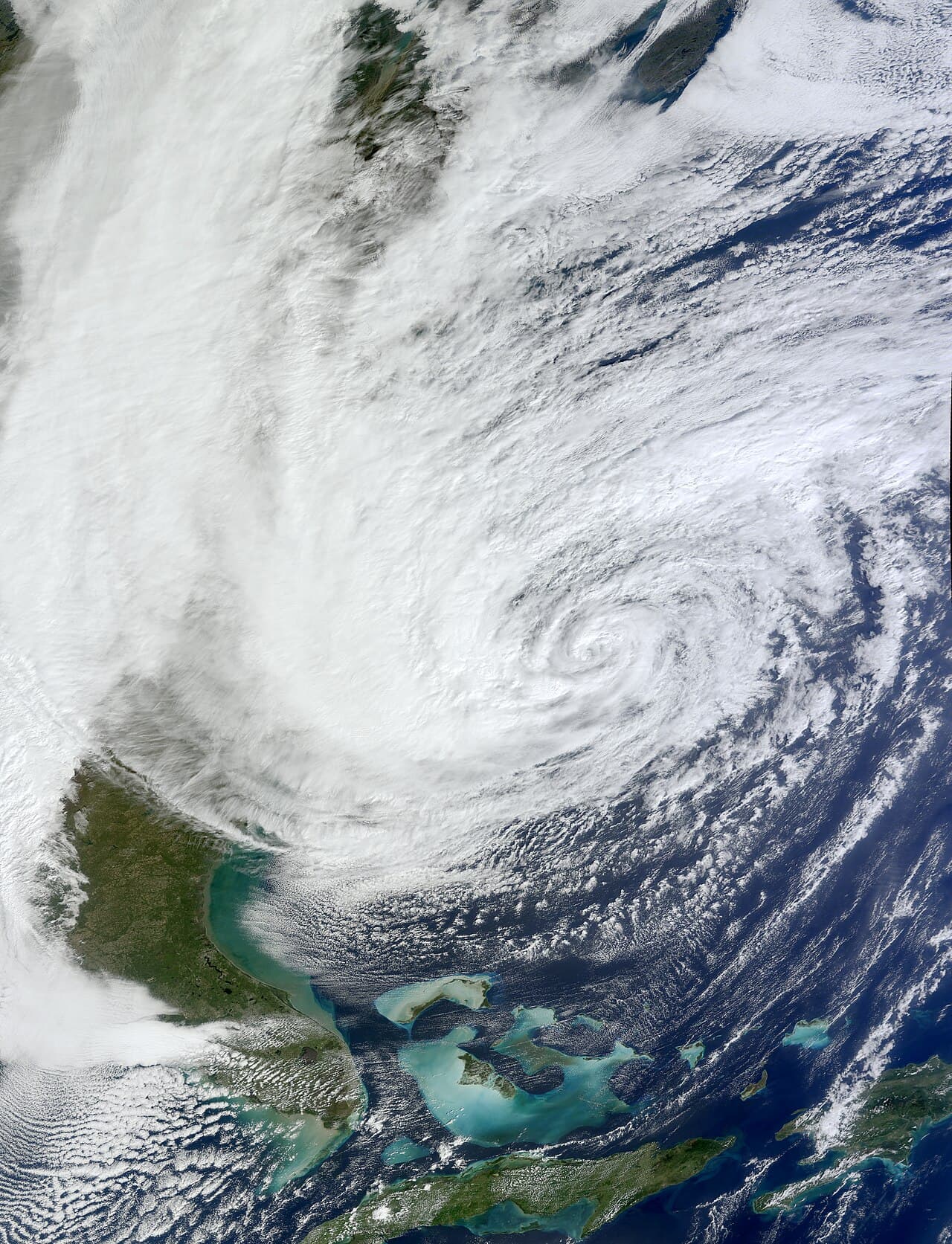
Start the Story ↓NASA MODIS / Terra Satellite. October 28, 2012. Public Domain.
Executive Brief
Key Findings
1
Geography amplified the hazard.
The shape of the coast, a shallow shelf, low elevation, and the timing of the tide turned a weakening storm into a record flood.
2
The damage was not shared equally.
The flood zone overlapped with elderly, low-income, and transit-dependent residents. That overlap decided who could evacuate and who could recover.
3
The best defense is layered.
Barriers, building codes, updated flood maps, warnings, and buyouts each cover a gap the others leave open.
Disaster Chain
01Regional Climate
→02Storm Physics
→03Exposure
→04Vulnerability
→05Future Risk
Sandy at a Glance
- Category at Landfall
- Post-Tropical
- Max Wind Speed
- 115 mph
- Storm Tide (NYC)
- 14.06 ft
- Total Damage
- $88.5B
- Deaths
- 233
- Homes Damaged
- 650,000+
- Power Outages
- 8.5 Million
- Storm Diameter
- 1,100 mi
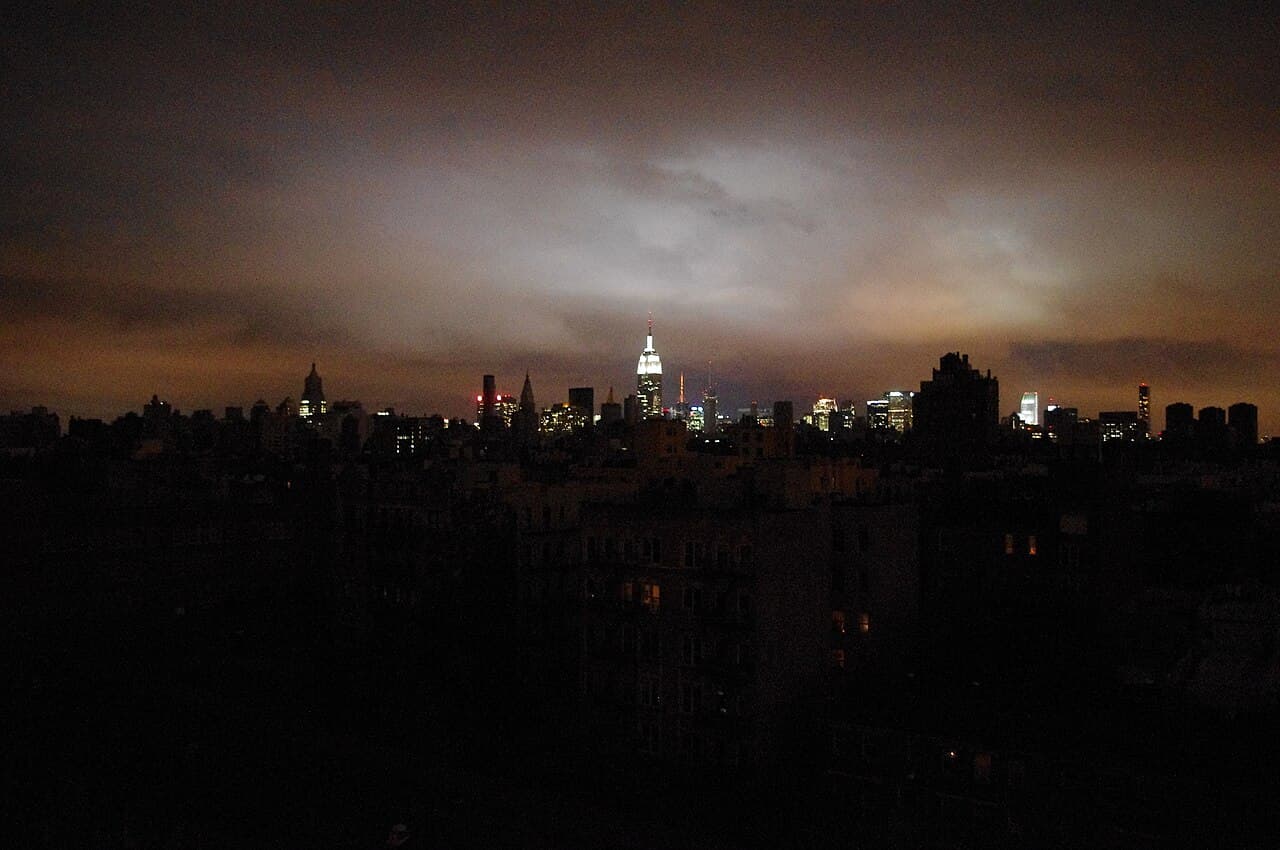
Manhattan Blackout, October 30, 2012